

One of the most common questions men ask before their consultation is a simple one: they have lost weight, changed their diet and stayed consistent in the gym, so why hasn’t their chest changed along with the rest of their body?
At New Reflections Plastic Surgery in Freehold Township, NJ, Dr. Nikesh Patel hears this question often, and the answer usually comes down to a distinction most men have never been told about. What looks like stubborn chest fat may actually be gynecomastia, a condition involving glandular tissue that diet and exercise cannot resolve on their own.
Understanding Gynecomastia and Why It Doesn’t Respond to Weight Loss
Not all chest fullness has the same cause, and the difference determines what treatment will actually work.
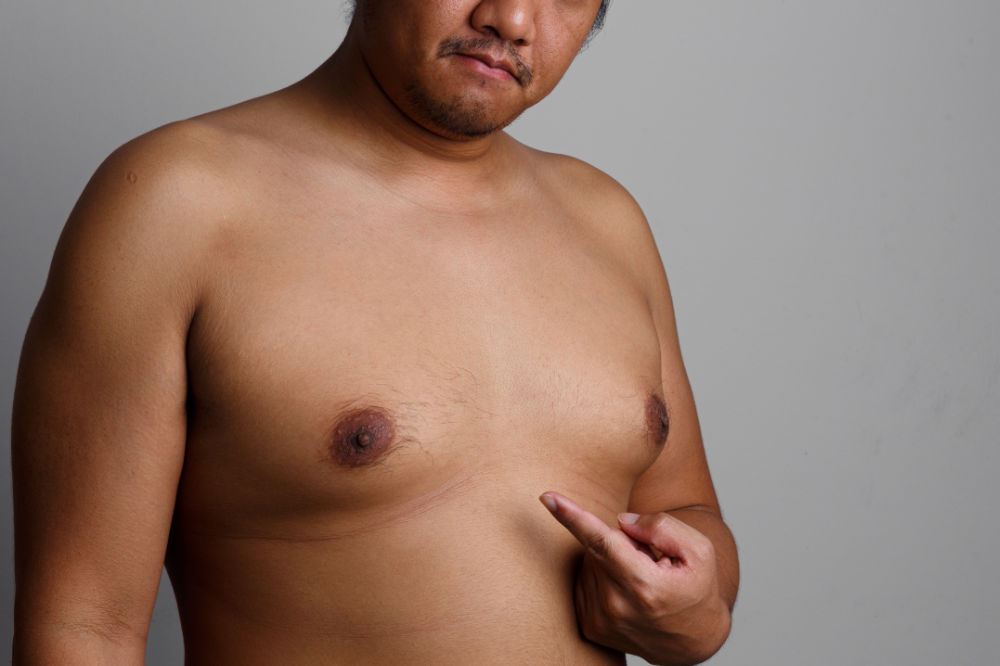
Pseudogynecomastia is excess fat. True gynecomastia is an increase in glandular breast tissue. The first tends to shrink with weight loss. The second, caused by growth of glandular tissue behind the nipple, stays in place no matter how disciplined a man’s diet or training program is.
Many men have a combination of both, which is why a home routine can reduce the chest somewhat while a firm, disc-like area of tissue remains. Dr. Patel evaluates this distinction by hand during every consultation, since it determines whether liposuction alone will address the concern or whether glandular excision needs to be part of the surgical plan.
Why Weight Loss, Including GLP-1 Medications, Doesn’t Resolve True Gynecomastia
As more men turn to GLP-1 medications like Ozempic and Wegovy to support weight loss, this question has become more common rather than less. Glandular gynecomastia is driven primarily by hormones, not calorie balance, so a medication designed to reduce appetite and body fat has little effect.
A multicenter study of adult men with the condition found that the cause could not be identified in 45 percent of cases, with the identifiable causes led by anabolic steroid use at nearly 14 percent and hypogonadism at just over 11 percent. Other recognized triggers include certain prescription medications, thyroid conditions, and the natural decline in testosterone that comes with age. This is often the point at which surgery moves from an option to the only path that permanently reshapes the chest.
How Common Gynecomastia Really Is
This is a far more common concern than most men realize. Gynecomastia affects up to 70 percent of men between the ages of 50 and 69, according to a peer-reviewed review published in American Family Physician.
It is also strongly tied to body weight, since a clinical study of hospitalized men found that more than 80 percent of those with a BMI of 25 or higher had measurable gynecomastia. Demand for treatment has grown as awareness of the condition has increased. According to the American Society of Plastic Surgeons, surgeons performed 26,430 male breast reduction procedures nationwide in 2024, making it one of the fastest-growing procedures among male patients that year, per ASPS’s own reporting. This is a common condition with a well-established surgical solution, not a rare one.
What To Look For In A Gynecomastia Surgeon
Because the procedure involves judgment calls (how much is fat versus glandular tissue, how much skin will retract on its own, where an incision will heal least visibly), the surgeon’s training matters as much as the technique itself. A board-certified plastic surgeon has completed years of dedicated surgical residency and met safety standards verified by the American Board of Plastic Surgery, rather than a shorter certification specific to a single procedure. That distinction is worth asking about directly in a consultation.
It also helps to know who you’ll actually be working with. Some practices route patients to whichever provider is available that day, which can mean a different face at your consultation, your pre-op visit, and your follow-up. Dr. Patel runs a smaller, boutique-style practice in Freehold, so the surgeon who examines your chest at your first visit is the same one who performs the surgery and sees you through recovery. If continuity like that matters to you, it’s a fair question to ask any practice you’re considering.
What Actually Happens During Surgery
The right technique depends on what’s driving your case:
- Liposuction alone. Using a thin cannula to suction excess fat through small incisions, this is often enough for mild to moderate cases where fat is the primary issue.
- Surgical excision. Through a small incision around the areola, this removes glandular tissue directly and is used when fat removal alone won’t resolve the firm tissue behind the nipple.
- A combined approach. Excision and liposuction are frequently performed together in the same procedure to address both fat and glandular tissue at once.
You can’t determine which of these fits your case on your own. It depends on what Dr. Patel finds during a hands-on evaluation of your chest, which is why that exam is central to the consultation rather than a formality before scheduling.
What to Expect During Recovery
Most patients return to non-strenuous daily activity within two to three days, thanks in part to Dr. Patel’s rapid recovery protocol, developed specifically to minimize downtime after body procedures. Final chest contour continues to refine over the weeks that follow as swelling resolves. A few factors help support a smooth recovery and a result that holds up over time:
- Wearing the recommended compression garment for the full period Dr. Patel advises
- Avoiding strenuous upper-body activity until cleared at a follow-up visit
- Maintaining a stable weight once healed, since significant weight changes can affect long-term chest contour
- Attending scheduled follow-up appointments so any concerns are caught early
If you are timing surgery around the Jersey Shore summer season, schedule with enough lead time before warmer weather, since final results take several weeks to settle.
Your Next Step Starts With a Conversation
If diet, exercise and time haven’t changed the appearance of your chest, it’s worth getting a straight answer instead of living with it indefinitely. At New Reflections Plastic Surgery, we help men throughout Freehold and New Jersey understand what’s actually behind their concerns and, if surgery makes sense, find a timeline that fits their work, family and personal life so recovery feels manageable rather than disruptive. We invite you to schedule a consultation with Dr. Patel, in person or virtually, to have your chest evaluated and your questions answered. Call (732) 354-3792 or contact us through our website to get started.