


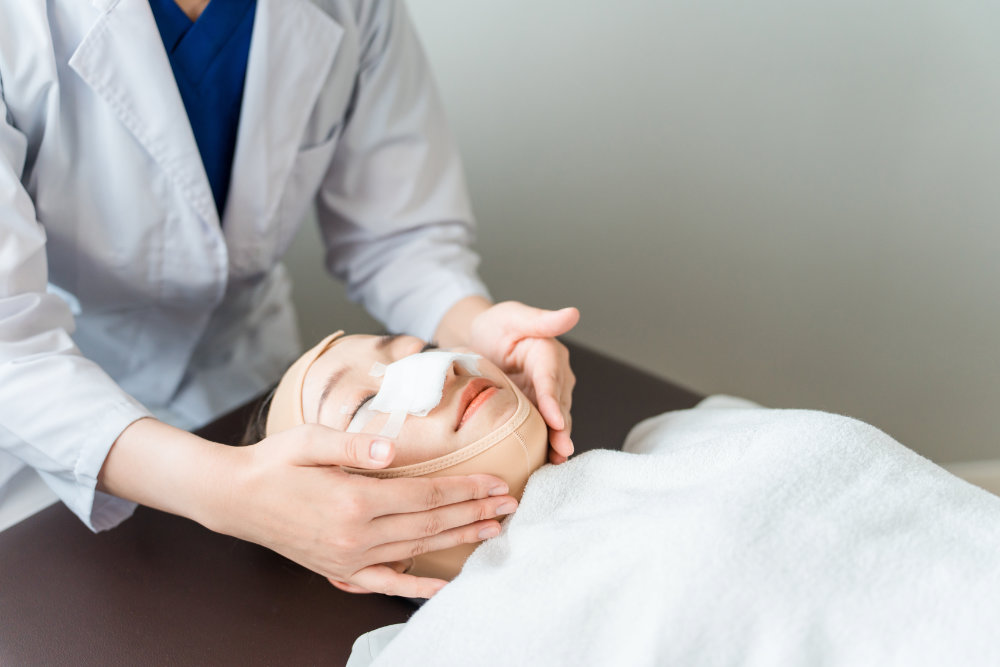
Most patients put real thought into which procedure to choose and what results they want. However, timing tends to get far less attention, even though it shapes how recovery actually feels. Scheduling surgery during a busy season at work, right before a major event or at a time when you have limited support at home can make recovery harder than it needs to be.
At New Reflections Plastic Surgery, Dr. Nikesh Patel works with patients on both halves of that equation: whether a procedure is right for them, and whether now is the right time for it. Planning ahead can make the recovery process more manageable.
If you are considering breast augmentation, a tummy tuck, liposuction or another procedure, thinking through timing now can set the stage for a smoother recovery later.
Why Timing Matters for Your Procedure
Surgery itself is only one part of the process. Preparation begins weeks before surgery and recovery continues long after you return home. During that stretch, your work schedule may need to be adjusted, transportation arranged, certain activities postponed and friends or family may need to step in. These considerations can influence your recovery just as much as the procedure itself.
Planning can also help you better understand what recovery may involve. A small 2023 cohort study on enhanced recovery pathways for aesthetic breast surgery found that patients who received structured recovery protocols and pre-surgical education returned to most daily activities within about five days, with 88 percent of patients recovering faster than they had expected.
While this study focused on a limited group of breast surgery patients and results vary by procedure and individual, it points to a broader theme worth noting: clear expectations and preparation can make recovery feel more manageable, whatever the procedure is.
The best time for surgery is not necessarily the first available appointment. It is the time you need to recover comfortably while balancing the responsibilities and commitments that are important to you.
Work and Scheduling
How much time you need away from work depends largely on your specific procedure and your job. You may be able to return to desk work within a short period, while a more physically demanding role may require extra time before you resume your normal responsibilities.
Jobs that involve lifting, prolonged standing, frequent travel or strenuous activity may require more recovery time than those that primarily involve desk work.
During your consultation, Dr. Patel will discuss what you can expect based on your procedure and job responsibilities.
Remote Work Considerations
Working from home can provide flexibility during recovery, but it should not be viewed as a substitute for recovery time. Many patients assume they can return to emails, virtual meetings and projects immediately after surgery. Remote work removes the commute, not the recovery. Fatigue, swelling and activity restrictions can still make a normal workday harder than expected.
Try to avoid scheduling surgery around major deadlines, business travel or important presentations. Those obligations can add stress at a time when your body needs rest, not pressure.
Childcare and Family Obligations
Recovery does not pause your responsibilities at home, which is why family obligations deserve their own place in your planning.
If you have young children at home, you may need extra help with school drop-offs, meals and the everyday tasks that keep a household running, especially during the early stages of recovery. If your procedure includes a tummy tuck, temporary lifting restrictions may make it difficult to carry your kids or handle certain household tasks.
Parents often focus on arranging time off work but forget to consider how recovery may affect responsibilities at home. Thinking through both now can make the first few weeks far less stressful.
Caring for Others
If you are responsible for caring for aging parents, a spouse or other family members with medical needs who rely on you for rides, appointments or daily help, it helps to have a backup plan in place before your surgery date. Lining up that support ahead of time, rather than scrambling for it after surgery, makes a real difference.
Household Tasks
Simple activities such as grocery shopping, walking a dog, carrying laundry or cleaning can become more difficult during the initial recovery period. Before surgery, consider who can assist with these responsibilities while you focus on healing.
Weddings, Vacations and Special Occasions
Many patients schedule surgery with a specific event in mind. Perhaps you are planning a wedding, attending a reunion, celebrating a milestone birthday or preparing for a vacation. While these events can help guide your timeline, it is important to allow enough time for recovery.
Swelling, bruising and activity restrictions may persist longer than expected, depending on the procedure. Surgical scars also continue to mature over time.
Rather than scheduling surgery immediately before a major event, it is often better to allow additional recovery time whenever possible. This allows you to better enjoy the occasion rather than spending it focused on healing.
Holiday Scheduling
The holiday season can also influence surgical timing. You might choose to schedule surgery during the fall or winter if that gives you greater flexibility around work or lets you recover before summer. Others prefer to avoid surgery during the holidays because of travel plans and family commitments.
If you do plan around the holidays, build in a buffer before any travel. Compression garments and swelling can make flights or long car rides less comfortable, so giving yourself extra time before you head out can make the trip easier.
While some patients prefer fall or winter recovery and others schedule around vacations or work obligations, there is no universal “best” time for surgery. The right timing depends on your recovery needs and personal schedule.
Planning for the Financial Side of Surgery
Even if a surgery date fits your schedule, it should also fit comfortably within your financial plans. Cosmetic procedures are considered elective, so insurance typically does not cover the cost. Before you settle on a date, it helps to know what the total actually includes: surgeon fees, anesthesia, facility costs and any post-surgical garments or medications.
At New Reflections, we provide a detailed quote after your consultation so you know exactly what to expect. We also offer financing options that allow many patients to spread their investment into manageable monthly payments. That way, you do not have to wait until the full amount is saved to plan your procedure for a timeframe that fits your life.
Once you have weighed your schedule, your support system at home, your calendar and your budget, the last step is to talk it through with Dr. Patel.
Getting Your Body Ready
A surgery date on the calendar does not automatically mean your body is ready for it. If you smoke, Dr. Patel will likely ask you to stop for several weeks before and after your procedure, since smoking can slow healing and increase the risk of complications. Certain medications and supplements, including some blood thinners, anti-inflammatories and herbal supplements, may also need to be paused in advance.
For procedures like a tummy tuck or liposuction, having a stable weight before surgery can make a real difference in your results. If you are planning to lose a significant amount of weight, it is often better to reach that goal before your procedure.
These adjustments take time, which is another reason it helps to start planning well before your target surgery date. During your consultation, Dr. Patel will walk you through anything specific to your health history and procedure.
What Makes Planning Easier at New Reflections
Every patient’s life looks different, which is exactly why we do not take a one-size-fits-all approach to scheduling. As a boutique, concierge-style practice in Freehold, our team takes the time to understand your work schedule, family situation and personal goals before helping you choose a surgery date.
Dr. Patel brings a depth of training that shapes his approach to timing. He is a board-certified plastic surgeon by the American Board of Plastic Surgery and a member of the American Society of Plastic Surgeons and the New Jersey Society of Plastic Surgeons. His background includes general surgery training at Robert Wood Johnson University Hospital, plastic surgery training at Albany Medical Center and a competitive 12-month aesthetic surgery fellowship at the Cleveland Clinic. For Dr. Patel, planning your procedure and planning your recovery are part of the same conversation.
Questions to Bring to Your Consultation
When you meet with Dr. Patel, timing is a great topic to dig into. Some questions worth asking include:
- How long is the typical recovery for the procedure you are considering?
- When can I expect to return to work, exercise and normal activities?
- Are there seasonal considerations specific to my procedure?
- How far in advance should a patient plan for a specific event or date?
- What kind of help will I need at home during the first one to two weeks?
The more information you have, the easier it becomes to find a window that works for your life rather than forcing your life to work around an arbitrary date.
Start Planning Your Procedure in Freehold, NJ
Choosing the right time for your procedure is just as important as choosing the right provider. At New Reflections Plastic Surgery, we help patients in Freehold and throughout New Jersey find a timeline that fits their work, family and personal goals, so recovery feels manageable rather than overwhelming.
If you are exploring options like a tummy tuck, mommy makeover, breast augmentation or facial procedures like rhinoplasty and facelift, we invite you to schedule a consultation with Dr. Patel. Call 732-354-3792 or contact us through our website to start planning your timeline today.